 |
 |
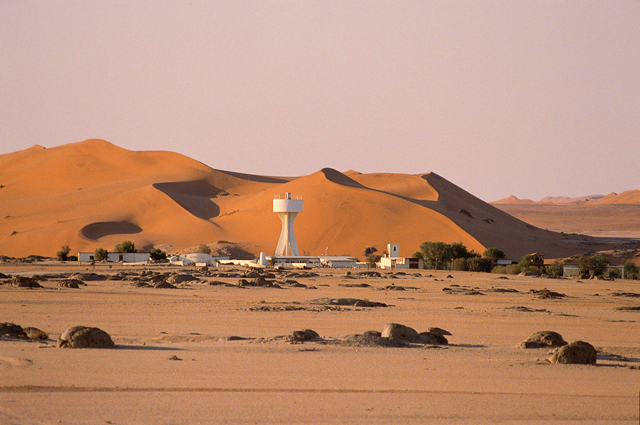 |
Gobabeb Research Station
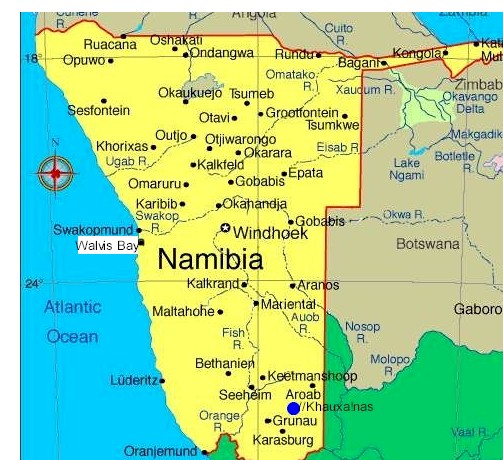
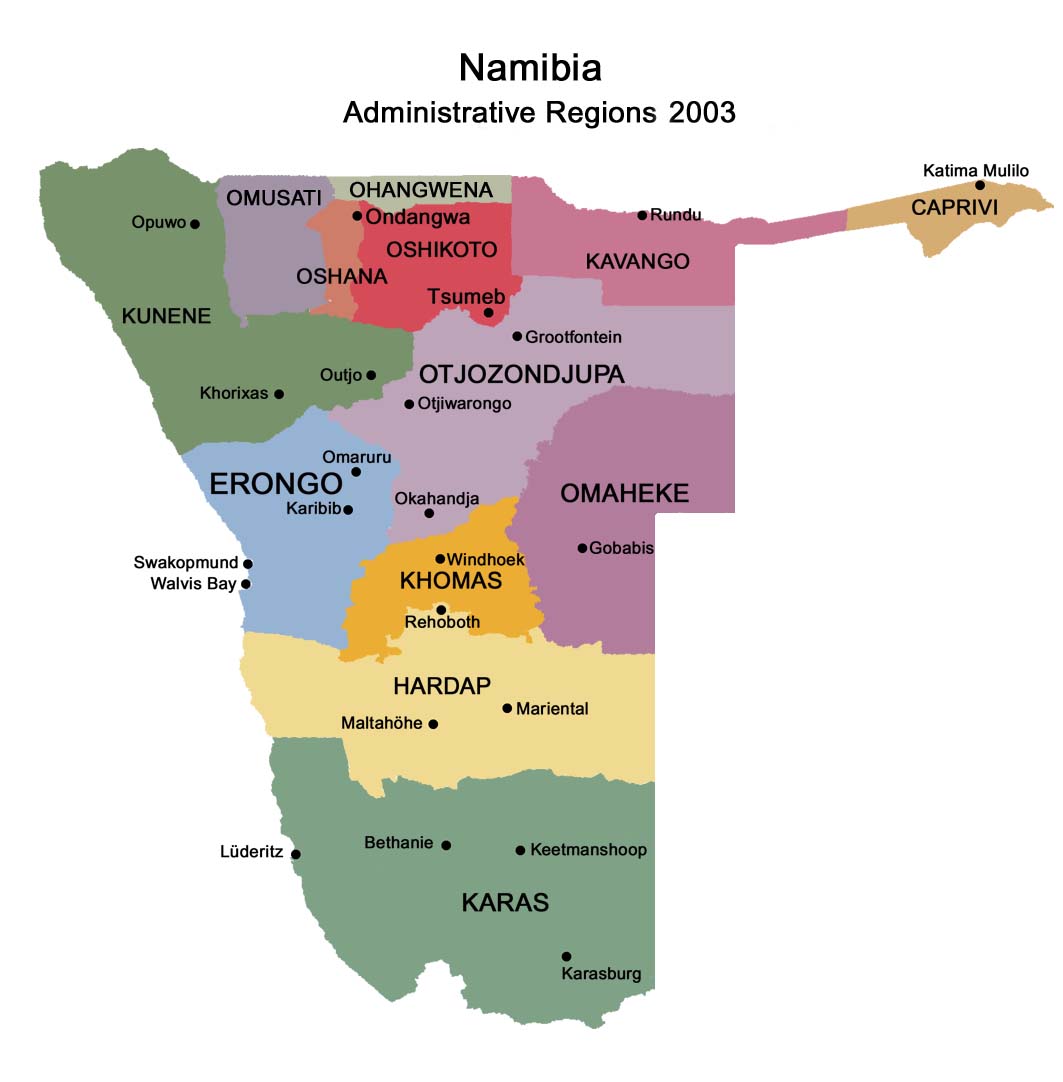
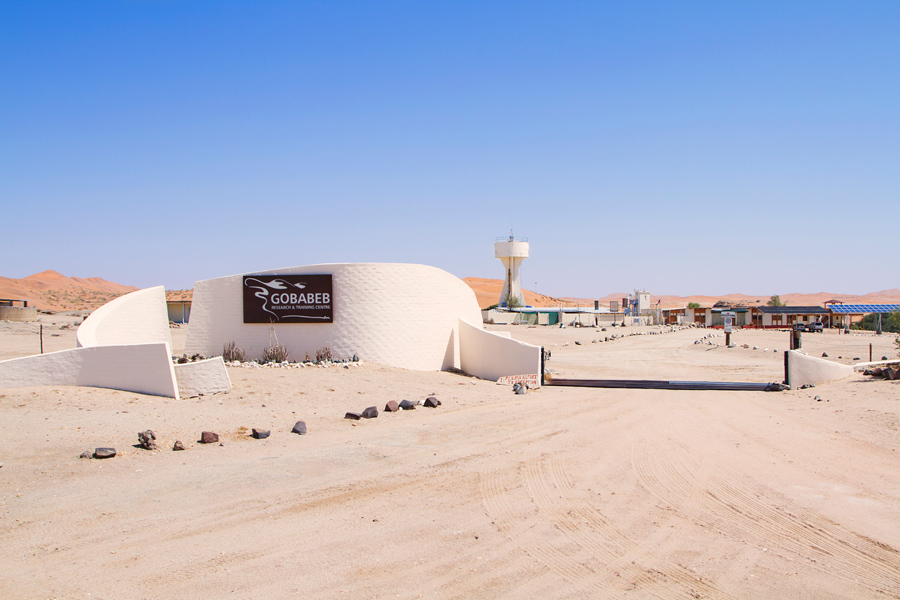
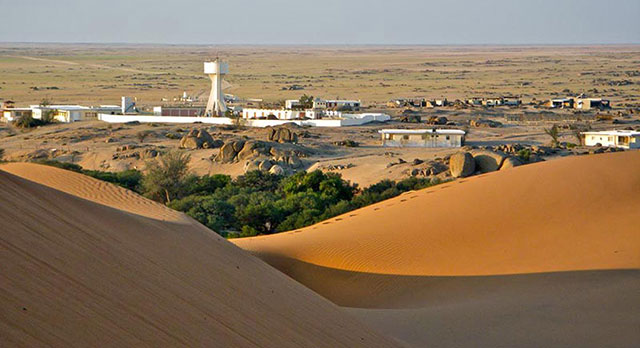
The research centre Gobabeb is located in the Namib-Naukluft Park. For over 30 years ecological research has been carried out, resulting in a rich database concerning the ecology of the area. Today the continuing long-term ecological research efforts are being carried out towards understanding the interactions between and influences on ecology and human activities in arid environments and contributing to their sustainability.
The Desert Research Foundation of Namibia (DRFN) facilitated research and study at Gobabeb by scientists, educators, post-graduate and undergraduate students from Namibia and around the world. These scientists, educators and students were supported by a comprehensive library collection concerning arid environments and basic laboratory equipment. Gobabeb provided a stimulating environment in which to work, a convenient base from which to conduct fieldwork in the Namib and elsewhere in Namibia.
Research in arid and semi-arid Namibia covers a multitude of subjects, both basic and applied. Study of the Namib desert by a great number of scientists from all over the world during the past thirty years has led to the creation of a rich store of knowledge and understanding of arid environments - particularly Namibia's. This wealth of information, which includes more than 500 publications emanating from staff and associates of the DRFN, supported ongoing activities and was available for use by researchers, students and the country at large.
|
|
|
|
Gobabeb and the surrounding research area present
ideal research
locations because the area
presents several ecological systems including the sand dunes, gravel
plains, riverbeds, both within and outside the fog belt. Climatic patterns
such as wet and dry years are more pronounced in the area and distinguishable in
this extremely arid environment, which makes it easier to study. Unlike
other parts of Namibia, this area has low human disturbance, and thus
presents better chances of studying ecosystem interrelations and
interactions without the factor of the human disturbance.
A large part of the research is focused on aspects relating to three
major environmental conventions: climate
change, desertification and biodiversity.
The station maintains four autographic weather stations throughout the
central Namib Desert. Gobabeb maintains a thirty year weather record, and the
daily weather readings are used by the national meteorological services,
by flights and navigation of ships on the west coast, as well as for
global climate monitoring.
Data gathered from long-term monitoring of invertebrates such as beetle
species and vegetation e.g. grasses and Welwitschia, is used to model
response of the environment to climatic events such as rainfall and
droughts, and to determine indicators of land degradation and to
contribute to the understanding of arid land ecology. Other databases
include photographs and
long-term studies of the Nara fruit (Acanthosicyos
horridus), a staple food of the Topnaar communities.
The DRFN was
involved with a number of communities in a variety of ways, especially
with the Topnaars who live on the banks of the
Kuiseb River.
Gobabeb is involved in the investigations of fog harvesting, and the Nara plants and its declining productivity in the Kuiseb Valley.
The Desert Research Foundation of Namibia has not been actively involved with activities at Gobabeb for almost a decade. A few years ago the two institutions finally separated after many years of activity, program and policy divergences. Gobabeb values the long years of close association with the DRFN that started in 1990, though the history of Gobabeb itself goes back to 1962. The work in the Central Namib and along the Kuiseb has always been primarily associated with Gobabeb, although that has been considered synonymous with outputs from DRFN for various reasons.
Related:
Facebook:
NAMIBIA:
https://www.facebook.com/groups/namibia.namibia
SESRIEM SOSSUSVLEI:
https://www.facebook.com/groups/sossusvlei
NAMIB-NAUKLUFT NATIONAL PARK:
https://www.facebook.com/groups/namib.naukluft
TRAVEL NAMIBIA:
https://www.facebook.com/groups/travelnamibia
Contact & information:
E-mail: info@namibweb.com


Page created and serviced by

www.namibweb.com
Copyright © 1998-2025
namibweb.com - The online guide
to Namibia
All rights reserved |
JOIN
|
VIDEO PORTFOLIO
|
VIDEO/PHOTO COLLECTION
Telegram
| YouTube |
Blog
Page is sponsored by ETS &
Exploring Namibia TV
Disclaimer: no matter how often this page is updated and its accuracy is checked,
www.namibweb.com and ETS
will not be held
responsible for any change in opinion, information, facilities, services,
conditions, etc. offered by
establishment/operator/service/information provider or any third party